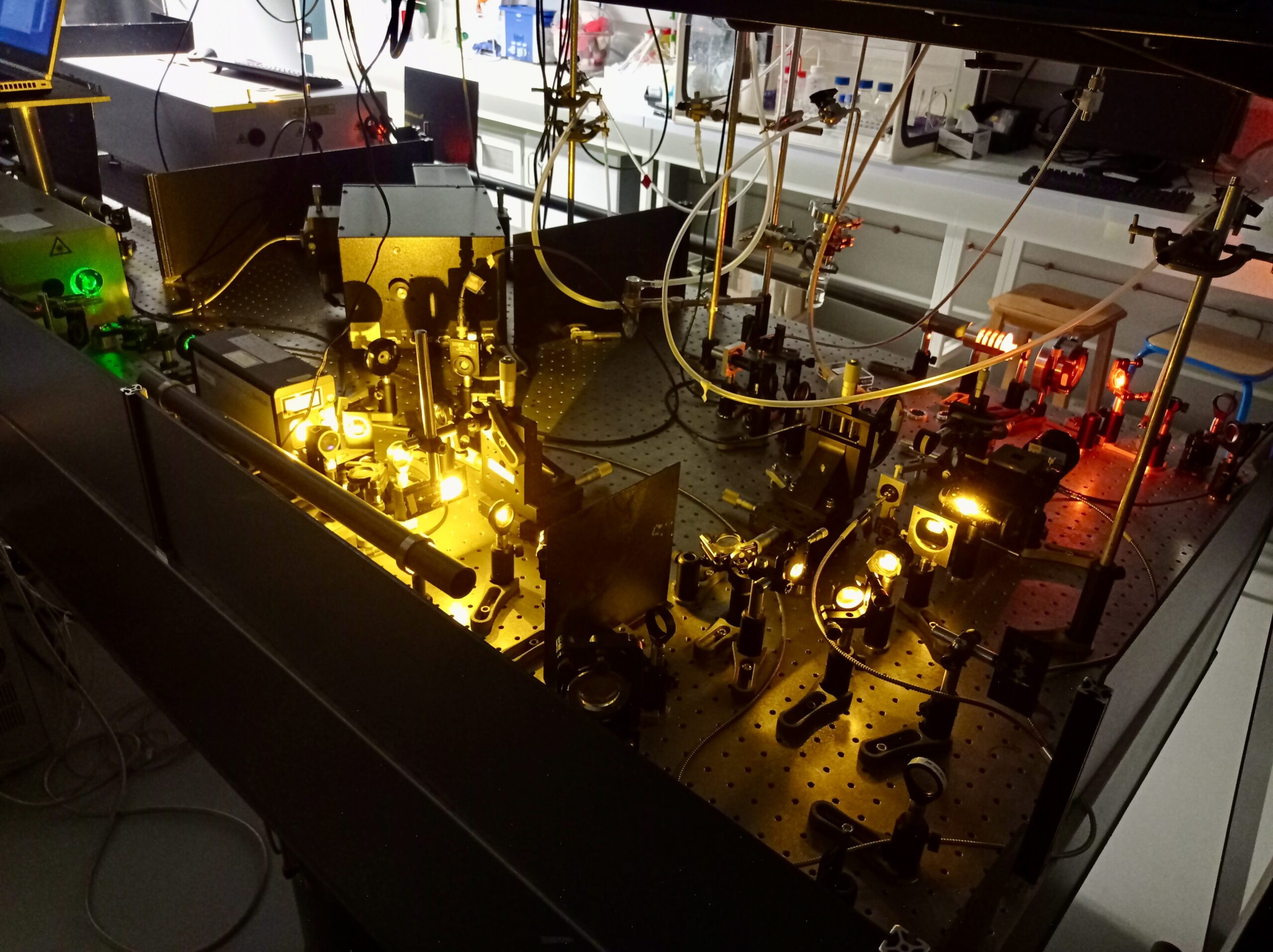

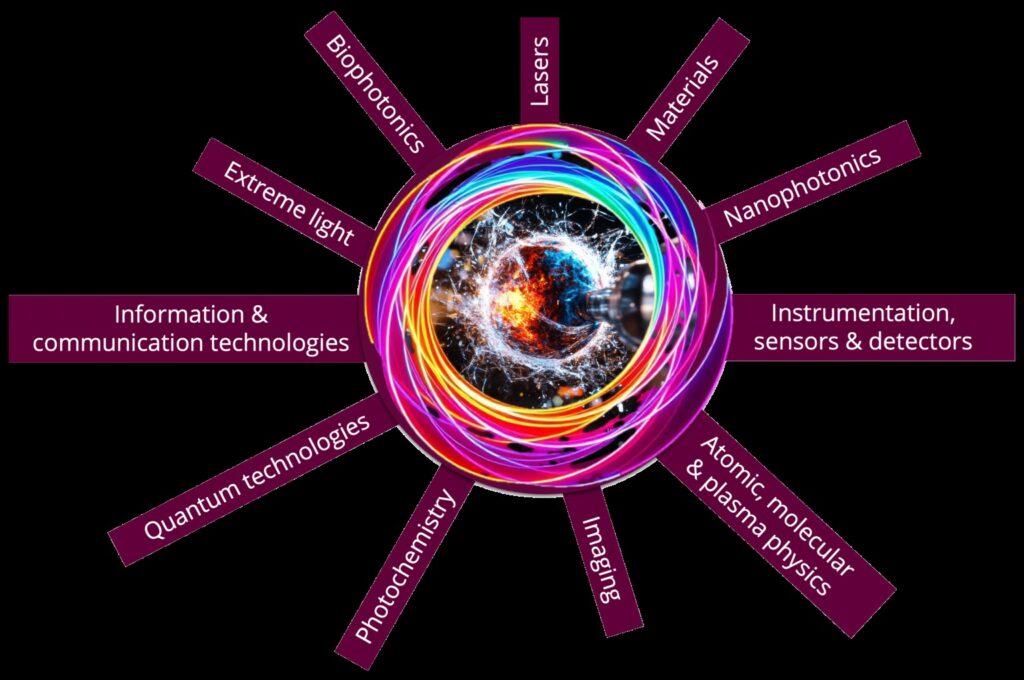
One of the vocations of theInstitut des Sciences Moléculaires d’Orsay is the experimental and theoretical study of processes resulting from the interaction of sources with molecular species. For these purposes, the Institute has instrumentation enabling the synthesis and detection of various molecular species. The experimental techniques used are: fluorescence collection, mass spectrometry, photoelectron spectroscopy, STM microscopy, fluorescence microscopy and various non-linear optical techniques.
Implementing these instruments requires a wide range of specialist skills, including laser optics, spectroscopy, cryogenics, vacuum techniques, detection and chemistry. These skills are brought together in a 10-strong support team organised into a “Scientific Instrumentation” department.
Responsibilities:
 Project development and studies in the fields of optics, chemistry, vacuum/cryogenics and measurement.
Technical assistance to experimental teams in the above-mentioned fields.
Management of the Institute’s laser equipment.
Preparing purchasing dossiers.
Advice on orders and centralisation.
Management of dyes and alcohols.
Hosting trainees.
Management of the Institute’s vacuum and cryogenics components.
Management of the chemistry characterisation platform.
Expertises :
Optics
Laser
Detection
Mechanics
Spectroscopy
Cryogenics
Vacuum technology
Chemistry
Physico-chemical characterisation

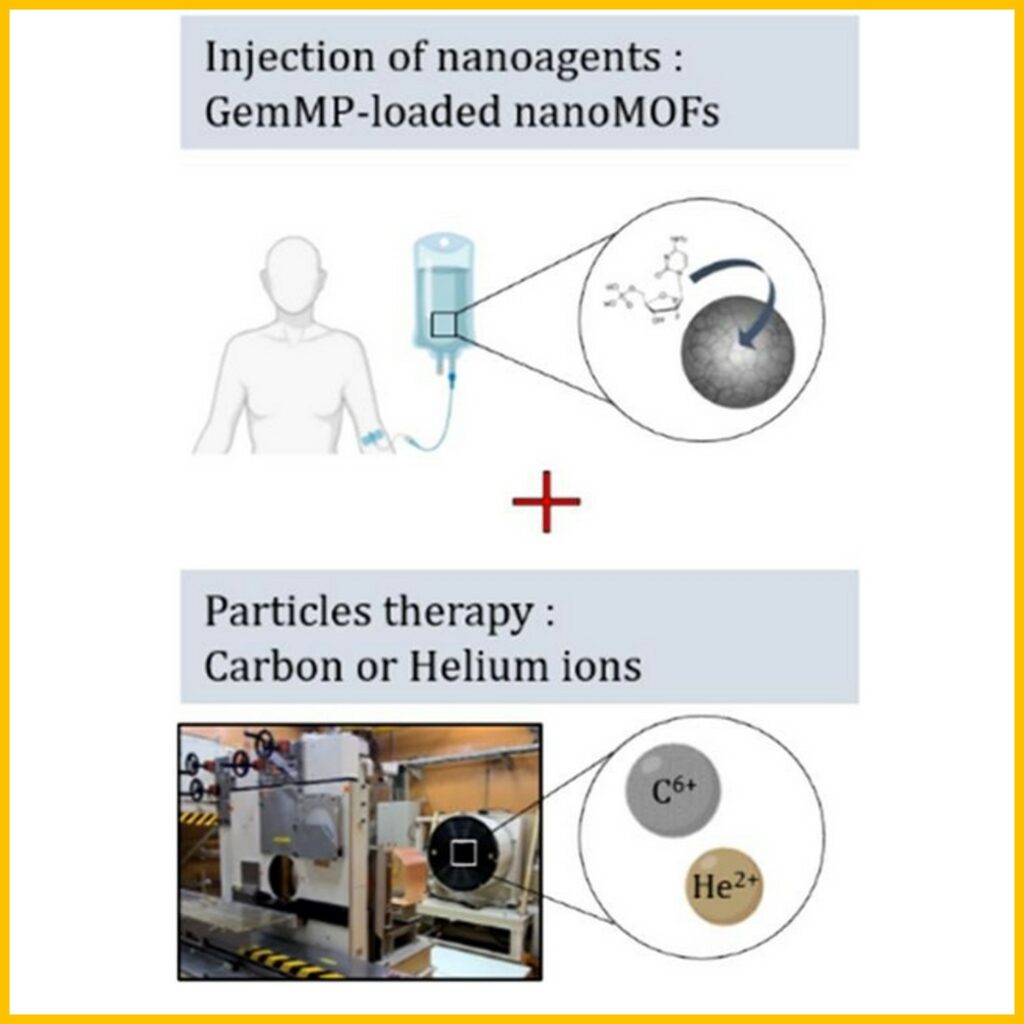
Proof of concept for the combination of Gemcitabine-loaded MOF and hadrontherapy to treat hypoxic cancers
Proof of concept for the combination of Gemcitabine-loaded MOF and hadrontherapy to treat hypoxic cancers
In a study published in the International Journal of Pharmaceutics, ISMO researchers have published the first study of an innovative strategy that combines porous organometallic nanoparticles (nanoMOFs) loaded with the anti-cancer drug Gemcitabine monophosphate (GemMP) and helium and carbon ion hadrontherapy.

4th session of the Saclay Plateau Ultra-Fast Community Forum (FOCUS)
June 12, 2025 at the École Polytechnique
The goal of FOCUS is to federate the plateau de Saclay’s community (IP-Paris & Université Paris-Saclay) that work on scientific subjects dealing with (almost) ultrafast dynamics.
FOCUS is a local and convivial meeting opportunity, encouraging discussions and scientific encounters.
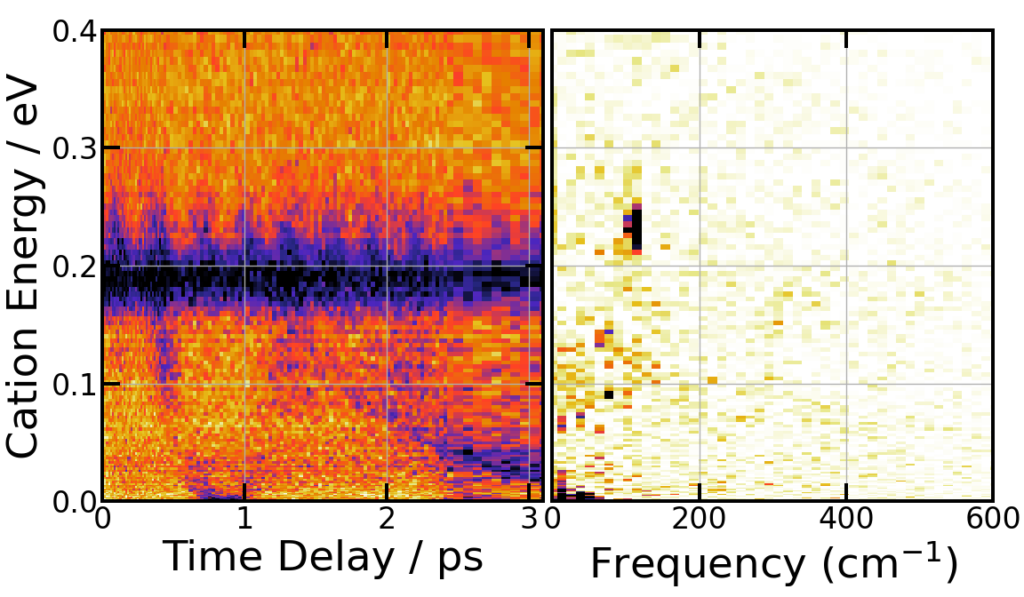
Photoinduced Dynamics
Below, you will find some of our research topics. The common factor is the excitation/ionization of species (atoms/molecules/ions) by one or more photons. Our research focuses specifically in the detection of the resulting charged photoproducts (ions/electrons) from which we can infer the mechanism of interest. This research can be decomposed into: Time-resolved studies: we use a combination of ultrafast laser pulses (1 fs = 10-15s) to pump the system of interest and probe it at a later time. By scanning [...]
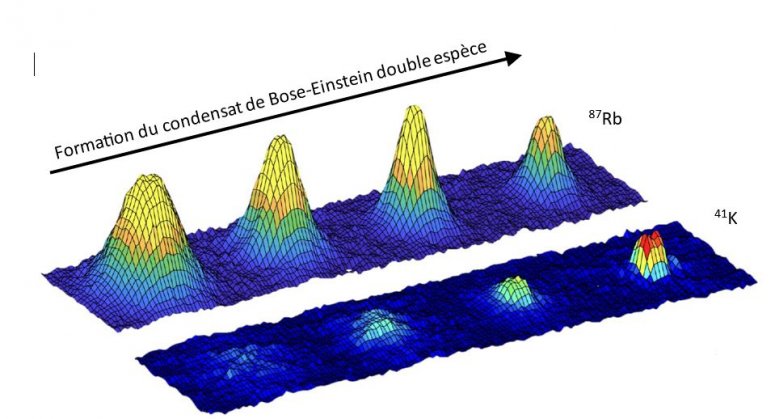
Quantum Metrology
La physique moléculaire ultrafroide en microgravité, dans un environnement spatial, offre de nouvelles perspectives passionnantes pour explorer de nouveaux régimes de physique moléculaire à très basse énergie, offrant ainsi la possibilité de concevoir de nouveaux types d'interféromètres à ondes de matière. Ces avancées sont cruciales pour les mesures de précision en physique fondamentale et en physique des systèmes à N-corps [1]. En effet, l'émergence du refroidissement et du piégeage d'atomes par laser, suivis de la création de condensats de Bose-Einstein, a [...]
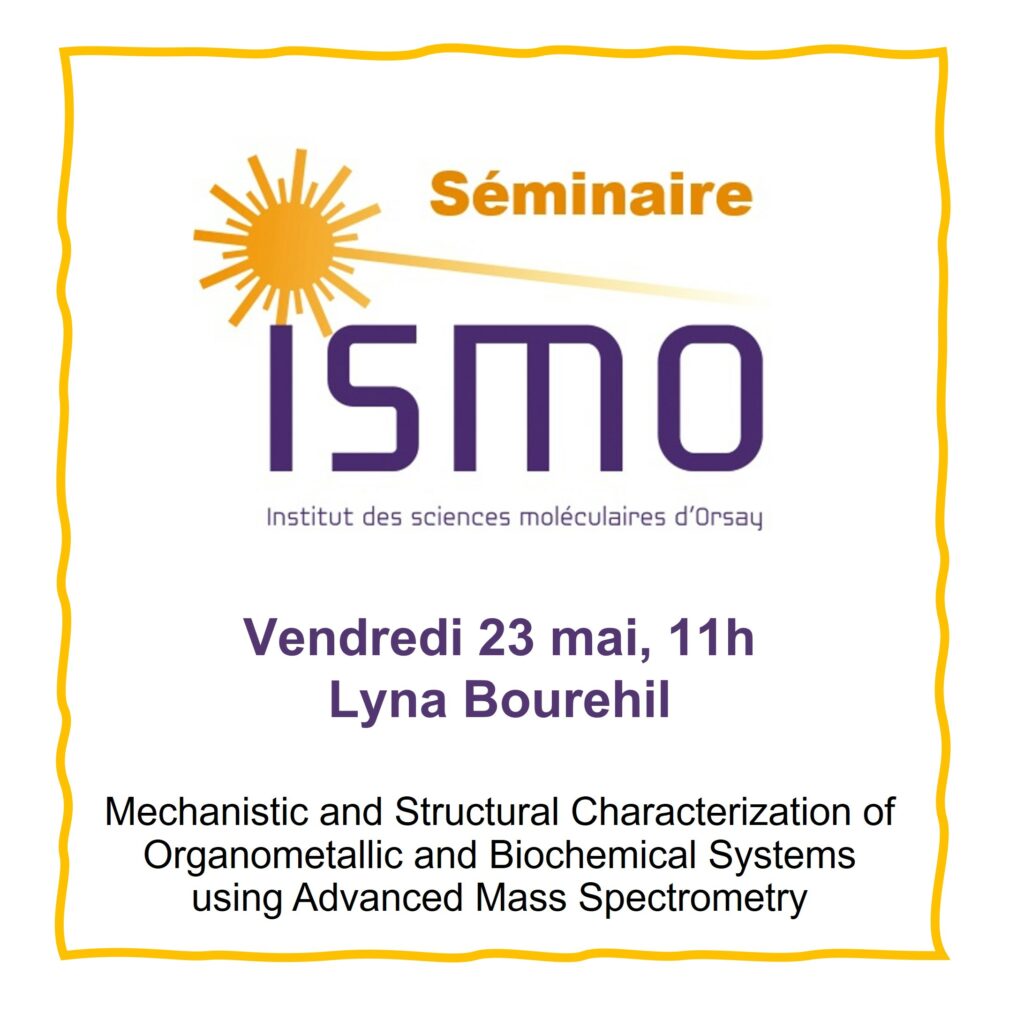
Mechanistic and Structural Characterization of Organometallic and Biochemical Systems using Advanced Mass Spectrometry
Mechanistic and Structural Characterization of Organometallic and Biochemical Systems using Advanced Mass Spectrometry
Mechanistic and Structural Characterization of Organometallic and Biochemical Systems using Advanced Mass Spectrometry
Lyna Bourehil
Department of Chemistry and Applied Biosciences, ETH Zurich
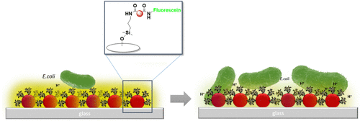









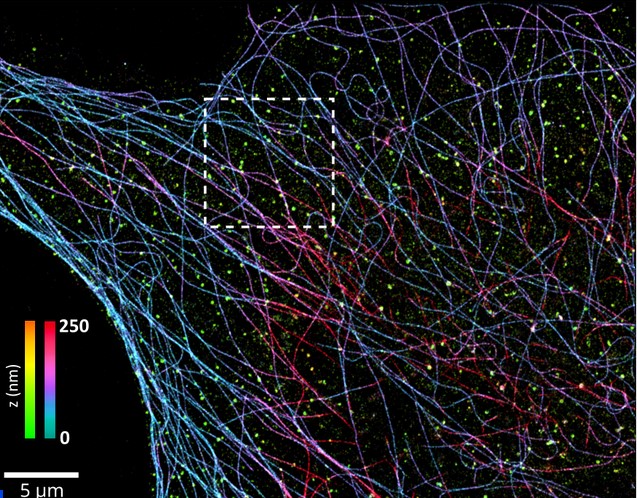
Single-molecule brightness, a new dimension for super-resolution imaging in biology
A new method exploits the brightness of individual fluorophores, rather than their spectrum, to distinguish several proteins simultaneously, with no noticeable loss of resolution. These results, published in Nature Methods, are featured in a CNRS Physics news item


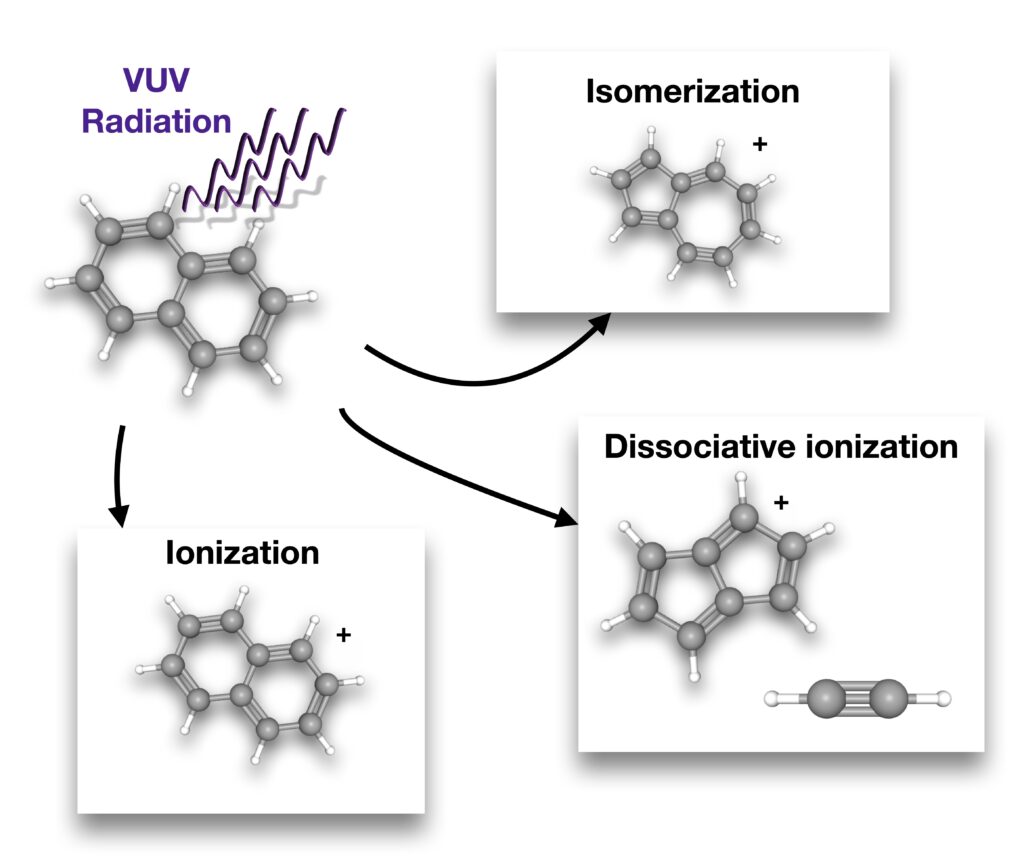
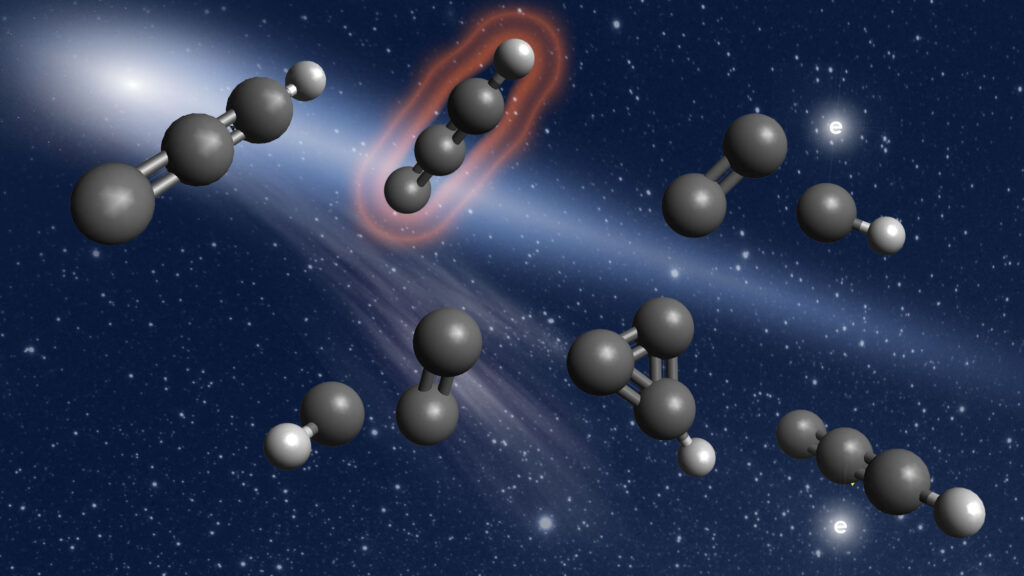
Phenylium ion reactivity demonstrated under interstellar-like conditions
Physicists from the Systemae team at ISMO, ISM Bordeaux, and the SOLEIL synchrotron have shown that the phenylium ion reacts efficiently with acetylene, without an energy barrier, under conditions relevant to the interstellar medium, thereby reaffirming its potential role in the formation and growth of polycyclic aromatic hydrocarbons (PAHs).
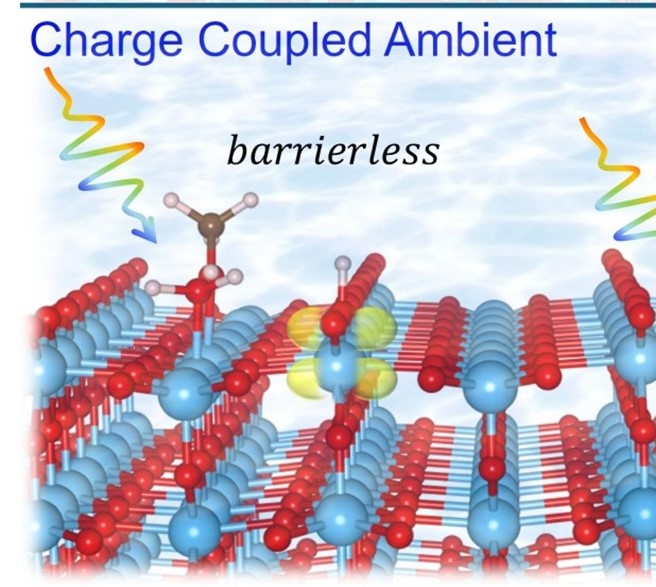
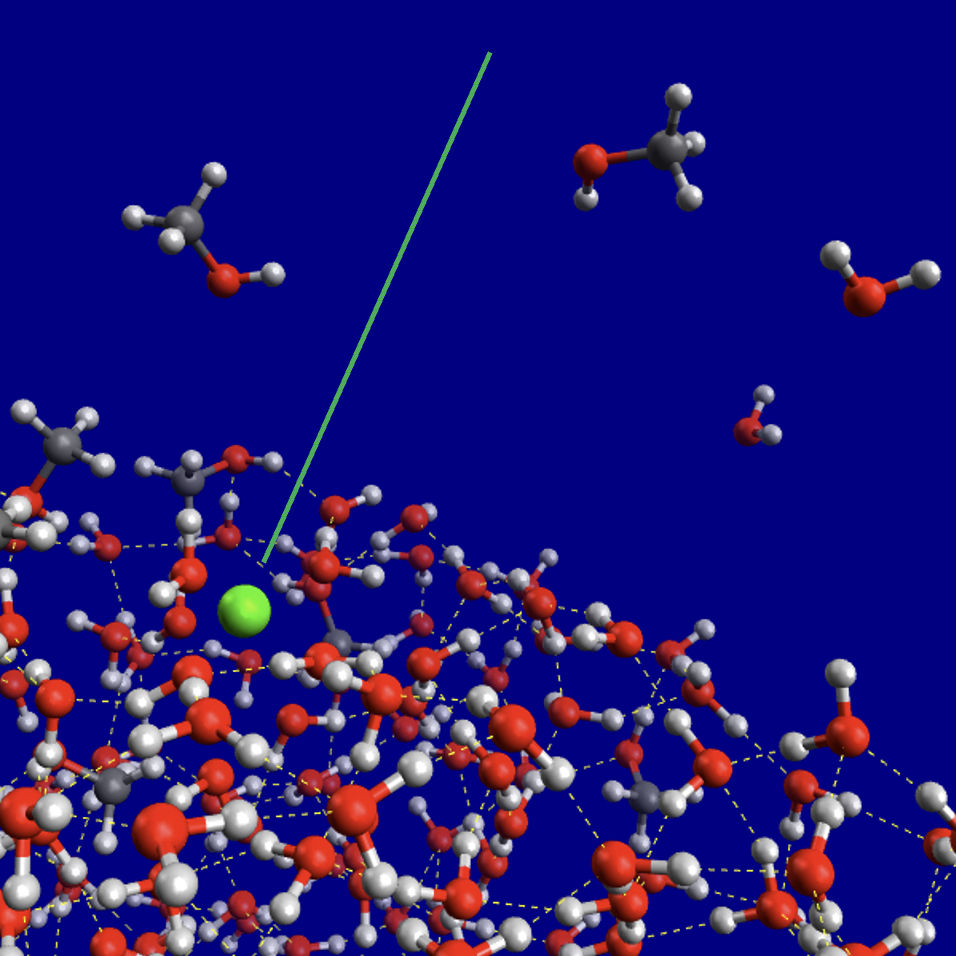
Water Makes the Difference: How Methanol Reacts on TiO₂ under Ambient Conditions
Researchers reveal how water at the surface of titanium dioxide helps methanol react under realistic photocatalytic conditions, showing that water actively participates in the reaction rather than simply surrounding the catalyst.